Blog

May 2, 2025
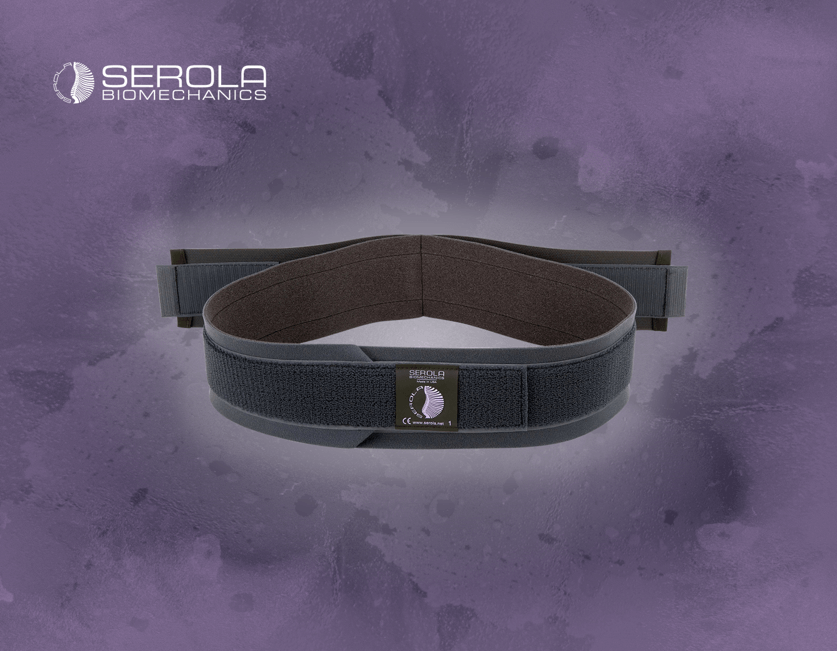
Serola Sacroiliac Belt Front View

The Serola Difference in Sacroiliac Belts (SI Belts) Explained

The Serola SI Belt stands apart from all other sacroiliac joint belts because it is the only belt designed to effectively normalize the function of the sacroiliac joint. Most belts compress the pelvis and help stabilize the joint to make users feel good, but the Serola Difference lies in materials, durability, fit, compression quality, and the ability to promote true healing. What Are Sacroiliac Belts Designed to Do? What a …
August 7, 2024
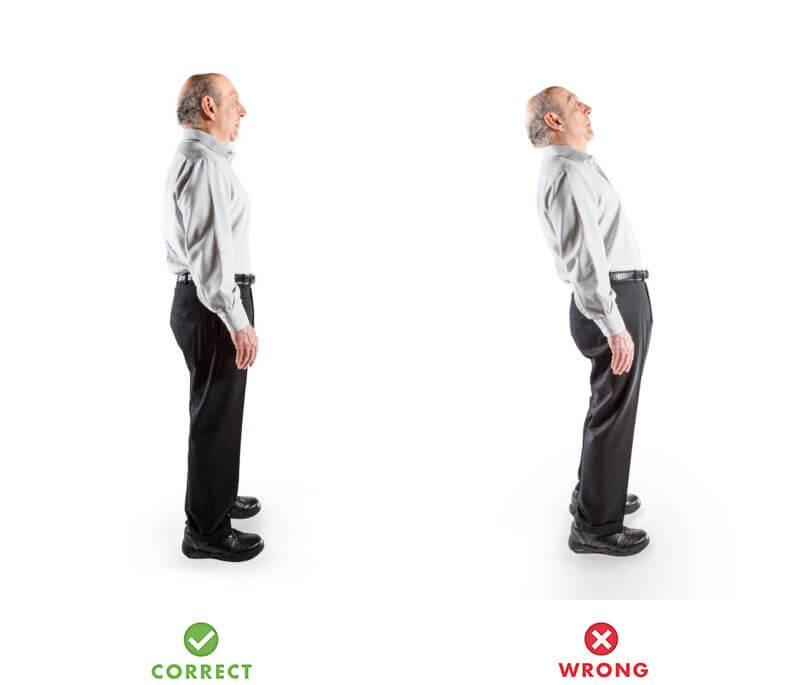
Do Don't Sacroiliac Joint

Sacroiliitis (SI) Joint Dysfunction Guide: Mobility Do’s and Don’ts

Sacroiliac Joint (SIJ) dysfunction is becoming more frequent than ever. Sadly it’s often triggered by everyday activities involving the pelvis, lower back and legs moving together. By understanding the best practices for mobility and body dynamics, you can manage minor to moderate SI Joint pain with proper movement and lifestyle modifications.  While it’s great to know what exercises to do to help sacroiliitis, it’s equally as important to learn what …

November 1, 2021
Serola Difference Thumbnail

The Benefits of a Serola Belt

Understanding a problem may do little good if you can’t do anything about it. For this reason, I am taking the helpful step of writing an informational blog that explains the biomechanics behind the development of the Serola Belt. The primary purpose of a sacroiliac belt (aka pelvic belt or trochanteric belt) is to keep stress off the ligaments within the joint; it does this by keeping the SIJ within …

July 15, 2021
Blog Image When an SIJ Belt Causes Pain lowres

When a Sacroiliac Belt Causes Pain

Unfortunately, any sacroiliac (SI) belt may occasionally cause pain. In most cases, this may be due to several factors that can be alleviated with the right approach; knowing where the pain is and what to do about it. Issue #1: The pain is localized at the SI joint and may be coming directly from the ligaments. This can occur for several reasons such as: Reason #1: Ligament stress can occur …